
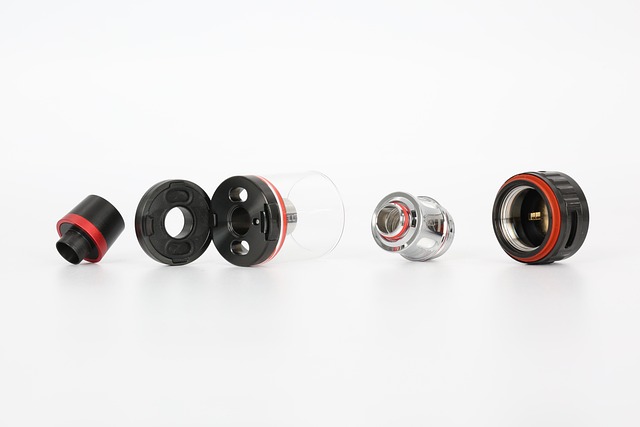
Daily Habits to Reduce Vape Waste & Build Sustainable Vaping Routines
Vape waste problem could be growing but with small changes in your day to day routines, it could be more manageable. Sustainable vaping routines could benefit the environment, but the money savings, maximization of vaping experiences and smoother hits should be more than enough reason. This post will explain the waste created with vaping, the hidden costs, and simple routines that could be implemented to help the environment in vaping waste.
Targeting Key Sources of Vape Waste
Understanding where vape waste comes from helps you minimize it. By identifying common sources of waste, you can develop a sustainable approach to vaping that balances waste at each stage in the process.
Device Waste
Waste generated by disposable devices is the largest source of vaping waste, yet many vapers choose disposables for the convenience factor. Disposable devices are the least environmentally responsible choice. Reusable devices can also contribute to waste. Unsustainably cared for dead batteries, avoidance of minor repairs, and unused accessories like extra mouthpieces and chargers are all reasons reusable devices become waste. Sustainable vaping habits involve avoiding impulse purchases ‘to get set up’ and prioritizing use of longer-lasting devices.
E-Liquid Waste
E-liquid waste is usually unintentional, but it is also the easiest to fix. Leaving juice in an open tank causes it to spill and waste. E-liquid stored incorrectly or unsealed will expire, and you will need to throw it away. E-juice is also wasted when you frequently change flavors without finishing the bottle. By more intentionally managing your e-liquid, you can reduce vape waste, and the waste from e-liquid will help your bottom line.
Habit-Driven Waste
Lots of vapers don’t consider the daily habits that lead to waste from vapes. Constantly turning a device on and off rapidly drains a battery and shortens the lifespan of the device. Neglecting to perform routine maintenance and cleaning will lead to clogs and the need for replacement gear to malfunction. Thoughtlessly discarding vapes for newer models also adds to waste, resulting in older vapes that still work being thrown in the landfill or stored in a drawer. Instead of sustaining a wasteful routine, mindful and sustaining actions minimize gear protection and waste.
Eight Daily Habits for Sustainable Vaping Routines
It’s not necessary to change your whole routine in order to reduce vape waste. You can build a sustainable vaping habit by following these simple, practical habits.
Habit 1: Choose Reusable Devices & Plan Purchases
Replace disposable vapes by rechargeable ones with longer-lasting batteries, and parts such as coils and mouthpieces that can be replaced. Upgrade only if you can’t fix or maintain your current device. This habit will help you reduce vape waste and align your vaping habits with sustainable practices.
Habit 2: Maintain Your Device for Longer Life
To prevent buildup and clogs, clean the mouthpiece and airways every 1-2 week with a cotton swab. To extend the life of your device, avoid overcharging it. Unplug once it is fully charged and store batteries in a dry, cool place. To avoid further damage, replace worn O-rings and coils as soon as possible. Well-maintained devices reduce vape waste from replacements and support long-term, sustainable vaping.
Habit 3: Avoid E-Liquid Waste
Fill up your tank with only the amount of liquid you will use each day. This prevents spills and juice sitting in the tank. To avoid wasting large amounts of e-liquid if you don’t like the flavor, test new flavors first with small bottles. Label bottles with the opening date and store e-liquids in cool, dark places. Use older bottles to avoid expiration. This simple step ensures that no e-juice is wasted, reinforcing a sustainable vaping habit and reducing vape waste.
Habit 4: Reuse and recycle old gear
Donate compatible accessories, such as chargers and mouthpieces, to vape shops in your area or online communities. Use official recycling channels for non-reusable products, such as drop-off bins at vape shops or mail-in programs TerraCycle. Reuse and recycling properly keeps toxic components from landfills. This is a key part of a sustainable vaping regimen.
Habit5:Choose universal accessories
Select accessories such as chargers, coils, and mouthpieces that are compatible with multiple vapes instead of choosing specialized products. Keep your accessory collection functional and lean by avoiding niche gear which will be useless when you change devices. This eliminates the waste of abandoned accessories and supports both sustainable vaping practices and reduced vape wastage.
Habit 6: Fix small problems instead of throwing them away
Check the battery connections, and clean the contacts using a cotton swab. Replace the coil or remove clogs from the airway if you are experiencing low vapor output. If you notice e-liquid leaking, tighten up the tank, change the O-ring or adjust the level of fill. Contact the manufacturer for more complex issues or visit your local vape shop to get the device repaired. Repairing minor problems reduces vape waste, and helps you maintain a sustainable vaping regimen.
Habit 7: Adjust for Seasonal/Environmental Conditions
Keep vapes away from direct sunlight, hot cars and other heat sources in hot weather to avoid battery bulging or e-liquid degradation. Keep devices warm in cold weather to prevent battery drain and thickened liquid that can clog. By adapting your storage and usage habits to the climate, you can protect your gear and reduce waste while promoting sustainable vaping.
Habit8: Practice Safe Disposal & Recyclability
Lithium-ion batteries are hazardous waste and should never be disposed of in the regular garbage. Empty e-liquid bottles should be thoroughly rinsed before recycling, to avoid contamination. All vape-related trash, including broken devices or spent batteries, should be dropped off at designated eWaste facilities or vape shops. Safe disposal is an important part of sustainable vaping practices that reduce waste and minimize environmental harm.
Conclusion
Reducing vape waste doesn’t require big sacrifices—just small, intentional habits that add up over time. By choosing reusable devices, maintaining your gear, conserving e-liquid, and recycling properly, you can build sustainable vaping routines that benefit the planet, your wallet, and your vaping experience. The goal isn’t perfection; it’s progress. Pick 1–2 habits to start with today, and gradually incorporate more as they become routine. Together, these changes can make a significant difference in reducing vape waste and creating a more sustainable vaping community.
FAQ:
Q: How long should a reusable vape device last with proper care?
A: 6–12+ months. Batteries last 300–500 charge cycles; coils/mouthpieces need replacing every 1–4 weeks. A sustainable vaping routine extends lifespan.
Q: How long should I use opened e-liquid? Is expired e-juice safe?
A: Use opened e-liquid within 6–12 months (store sealed/cool/dark). Expired juice isn’t dangerous but tastes off—use older bottles first to cut vape waste.
Q: Key safety tips for disposing of damaged vapes?
A: Remove batteries (store in fire-resistant container); rinse tanks; don’t crush/puncture batteries; use e-waste/hazardous waste drop-offs.