
How Does Coil Resistance Affect the Flavor of Vapes?
If you vape casually or are just getting into the activity, you’ve certainly discovered that sometimes your favorite e-juice tastes great, and other times it tastes bland, burnt, or doesn’t smell like the way you like it. Many vapers blame faulty e-juice for this, but it could actually be the resistance of your coil. What effect does coil resistance have on the taste of vapes? And how does coil resistance affect the flavor of vapes? This book explains all you need to know in plain English, so you may change your configuration to get the best taste every time.
What Is Vape Coil Resistance? Its Role in Vape Flavor
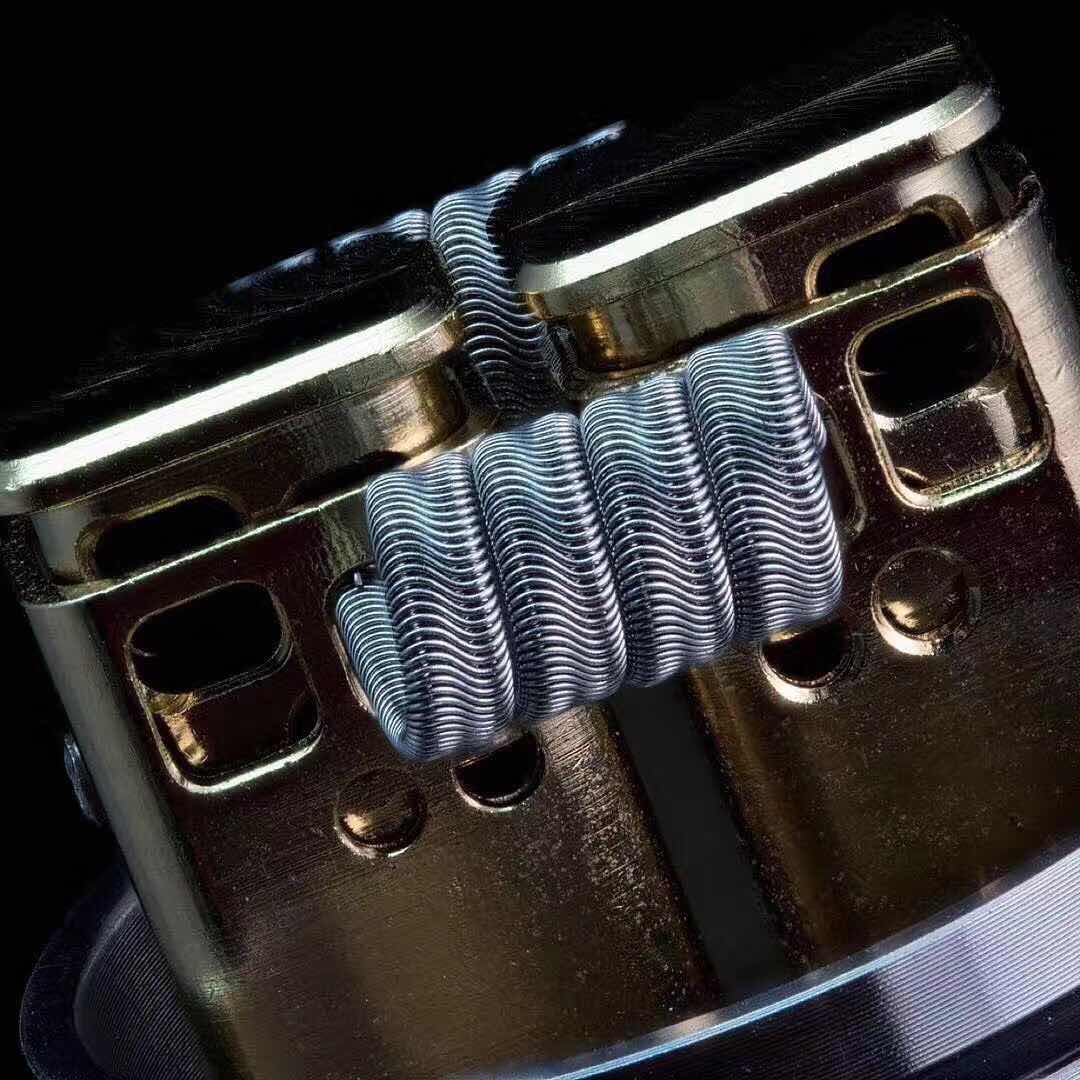
Before we get into the flavor connection, it’s important to know what coil resistance is. In its most basic form, coil resistance (measured in ohms, denoted as Ω) is how much the metal wire in your vape coil resists the electric current from your device’s battery. A narrow hose (high resistance) slows down the flow of water, while a broad hose (low resistance) allows water rush through quickly. For vapes, this “flow” of electricity has a direct effect on how much heat the coil makes, and heat is what gives vapes their flavor.
There are three main varieties of vape coil resistance, and each one has its own basic characteristics that affect flavor:
- Low-resistance coils (sub 1Ω) let more current through, which makes them heat up quickly and get quite hot. People that like large clouds like these, but they modify how e-juice breaks down, which changes the flavor of vapes.
- Coils with medium resistance (1Ω–2Ω): This is the best range for most vapers. They control the flow of current and heat, making a middle ground that works with practically any e-juice and keeps the flavor of vapes the same.
- High-resistance coils (above 2Ω) slow down the passage of current, which means they heat up slowly and stay cooler. They don’t generate big clouds, but they’re ideal for focusing on small tastes, which is important for keeping the flavor of vapes in light, delicate e-juices.
Ohm’s Law says that lower resistance implies greater current and more heat, while higher resistance means less current and less heat. This is a basic physics law. The flavor of vapes is affected by coil resistance because of this change in heat.
How Coil Resistance Impacts Vape Flavor
Now that you know what coil resistance is, let’s talk about how it influences the taste of vapes. There are two main things to think about: how the coil’s heat turns e-juice into vapor (atomization) and how that heat affects the flavor compounds in your e-juice. How do these two procedures change the taste of vapes when the coil has a lot of resistance? Let’s make things simple.
Heat Output and E-Juice Atomization
The coil’s resistance directly determines how much heat it gives out, which in turn controls how well your e-juice vaporizes:
Low-resistance coils: They heat up quickly and get quite hot, which means they break up e-juice very quickly and completely. What are the problems? This fast, high-heat atomization might “overcook” the liquid, which can change the flavor of vapes.
High-resistance coils: Their softer heat slowly and gently breaks up e-juice. This stops the food from cooking too much, but if the heat is too low, the e-juice won’t completely transform into vapor, which makes the vapes taste bland and watery.
Temperature’s Impact on E-Juice Flavor Compounds
There are flavorings, VG, PG, and sometimes nicotine in every e-juice. These things respond to heat in different ways. The table below shows how the temperatures that coil resistance causes change the taste of vapes:
| Temperature Level | Resistance Coil Type | Impact on Flavor Compounds | Resulting Vape Flavor |
| Too Hot | Low-resistance (max power) | Breaks delicate flavor chemicals; caramelizes sugar | Burnt, acrid taste; ruined flavor of vapes |
| Just Right | Medium-resistance | Activates all compounds without damage | Full, layered taste; preserved flavor of vapes |
| Too Cool | High-resistance (low power) | Fails to fully release flavor compounds | Weak, diluted taste; underwhelming flavor of vapes |
Coil Resistance Levels: Real-World Vape Flavor Impact
Not all coils are the same, and each level of resistance gives vapes a varied taste. When you use your device, how does coil resistance change the taste of vapes? Here is a quick comparison of each type of resistance, along with some perks and cons for flavor lovers in the real world.
Quick Comparison
| Coil Resistance Range | Key Flavor Traits | Best For E-Juice Types | Main Tradeoff |
| Under 1Ω (Low) | Big clouds, bold but less precise flavor | Heavy tobacco, icy menthol, thick desserts | Risk of burnt taste with high-sugar juices |
| 1Ω–2Ω (Medium) | Balanced clouds and layered flavor | Most e-juices (fruit, beverage, light tobacco) | No major tradeoffs—great all-around |
| Over 2Ω (High) | Small clouds, concentrated, nuanced flavor | Light fruit, herbal blends, mild mint | Cloud production is minimal |
Choose the Right Coil Resistance for Your Ideal Vape Flavor
Now that you know how coil resistance changes the taste of vapes, the next step is to choose the proper coil for your taste. There is no one-size-fits-all answer; your choice will depend on your preferences, the sort of e-juice you use, and your device. This is how to tailor the resistance of your coils to the flavor of your vapes.
Start with Your Flavor Preferences
How coil resistance affects the taste of vapes for your setup depends on your own taste:
- Big clouds and strong flavors: Low-resistance coil (less than 1Ω); high heat makes the taste stronger and makes clouds, which keeps the flavor of vapes strong.
- Taste and vapor that are in balance: Coil with medium resistance (1Ω–2Ω); a flexible choice for vapes with full taste and big clouds.
- High-resistance coil (above 2Ω) and low heat keep delicate notes for a more complex flavor in vapes.
Match Coil Resistance to E-Juice Type
Different e-juices react to heat differently. The table below shows the best coil resistance to unlock optimal flavor of vapes:
| E-Juice Type | Key Characteristics | Recommended Coil Resistance | Rationale for Flavor of Vapes |
| High-VG (cloud-focused) | Thick, requires more heat | Low/medium-resistance | Ensures full vaporization; prevents watery flavor of vapes |
| High-PG (flavor-focused) | Thin, strong throat hit | Medium/high-resistance | Mild heat preserves flavor; avoids harsh chemical flavor of vapes |
| High-sugar/high-flavor | Prone to caramelization | Medium/high-resistance | Prevents burning; keeps flavor of vapes fresh |
Check Device Power Compatibility
Changes in the power of the device What effect does coil resistance have on the taste of vapes?
Low-power (under 30W): Works best with coils that have medium to high resistance. If the resistance is too low, the vapes will taste bland since they aren’t being atomized enough.
High-power (30W+): Works with low-resistance coils, but don’t go over the suggested power level; too much heat burns e-juice and makes vapes taste bad.
Quick Tips to Boost Vape Flavor
How coil resistance affects vape flavor is key, however these fast modifications will boost your taste:
- Regularly Clean and Install Coils: Coils that are dirty or loose degrade vape flavor. Clean with a cotton swab every few days, replace every 1–2 weeks, and tighten connections for even heating. You can clean them by following the tutorial below:
2. Adapt Power to Coil Resistance: Stick to the coil’s recommended power range; low-resistance coils need less power to avoid burning, high-resistance needs more for full taste.
3. Clean Tank Before E-Juice Switch: Instead of mixing tastes, rinse the tank with warm water first. Dedicated tanks for robust flavors keep other e-juices’ flavors pure.
Conclusion
How coil resistance affects the taste of vapes depends on how much heat they give off. If you’re new to vaping, the easiest method to get fantastic flavor straight away is to use medium-resistance coils. Always make sure to match your coils with the type of e-juice you use and the power of your device. Also, make sure to keep your coils in good shape so that you always get a good taste when you vape.
FAQ
Q1: Does higher coil resistance mean better vape flavor?
A: No. Higher resistance is better for delicate flavors, but bold juices need lower resistance heat. Best flavor of vapes comes from matching resistance to e-juice, not just ohm count.
Q2: Why does my low-resistance coil taste burnt quickly?
A: High heat caramelizes sugar in e-juice; excess power or unprimed coils also cause burning. Switch to medium-resistance or low-sugar e-juice for better flavor of vapes.
Q3: Can I use a low-resistance coil on a beginner device?
A: No. Beginner devices (under 30W) lack power for low-resistance coils, leading to weak vapor and bland flavor of vapes or device damage. Stick to medium/high-resistance.
Q4: How to tell if coil resistance mismatches my e-juice?
A: Look for burnt (low-resistance + high-sugar), watery (high-resistance + thick VG), or harsh (too much power + high-PG) tastes. Adjust resistance for great flavor of vapes.