
Why Disposable Vape Designs Are Becoming More Like Electronic Devices: Five Key Factors
The impression that disposable vapes leave on consumers is still that of a simple and functionally limited basic smoking tool. The plastic body with a strong sense of materiality, the uniform appearance, make it more like a “consumable item” rather than a genuine product. However, when entering the market now, the disposable vapes that catch our eyes have already undergone a complete transformation: a streamlined integrated body, a matte metallic texture coating, a technological design with a digital display screen, as well as breathing light effects and touch-sensitive features. From the appearance to the functions, they all exude a strong “electronic product” quality.
This significant design change is not merely for aesthetics; rather, it is an inevitable evolutionary outcome of the disposable vape industry under the combined effects of technological maturity, market competition, and global compliance upgrades.
Technological Advancements Are Driving Structural Electronicization
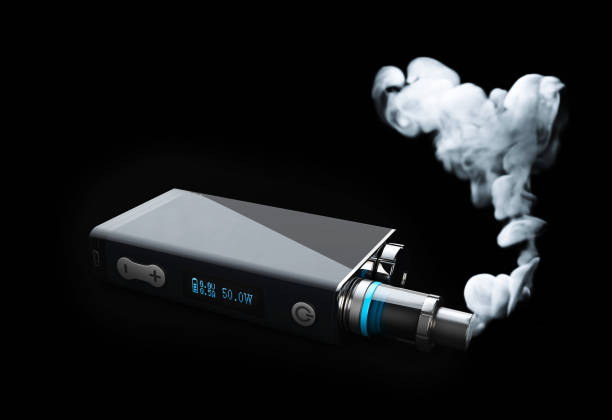
The early disposable vapes had extremely simple internal structures, usually consisting of a basic battery, an atomizer core, and an oil reservoir. The design goal was to achieve low cost and rapid consumption. However, as users’ demands for taste, battery life, and stability kept increasing, the internal technology of the products rapidly became more complex.
Today’s disposable vapes generally come with larger-capacity batteries, and some models have battery life approaching that of rechargeable devices. At the same time, mesh core, multi-layer atomization structures, and intelligent power output systems have gradually become industry standards. These technologies can provide more uniform heating, a more stable taste, and higher vaporization efficiency, but they also place higher requirements on the internal space layout.
The cylindrical shells of traditional imitation cigarettes have limited space, making it difficult to integrate the battery, safety circuits, and vaporization system properly. In contrast, flattened or modular “electronic product structures” are easier to achieve the combination of high-performance components and stable operation.
Consumer Aesthetics Are Shifting Toward Tech-Inspired Designs
The user structure of one-time vape users is also undergoing subtle changes.
Initially, it mainly targeted users who wanted to reduce the harm of traditional smoking, with the design focus being “like a cigarette” to lower the psychological barrier of use. However, as the market expanded, young consumers gradually became the main group, and they placed greater emphasis on the sense of experience, design, and product personality.
For these users, vape is no longer just a tool to replace tobacco, but more like a portable trend item, similar to wireless headphones, smart wristbands, and other electronic accessories.
Therefore, brands began to introduce a large number of technological elements, such as:
power display screens, gradient lighting effects, metallic texture shells, and simple modern geometric shapes. These design languages clearly draw inspiration from the aesthetic system of consumer electronics.
Improved Ergonomics and User Experience
Design evolution is not just about changes in appearance; it directly improves the user experience.
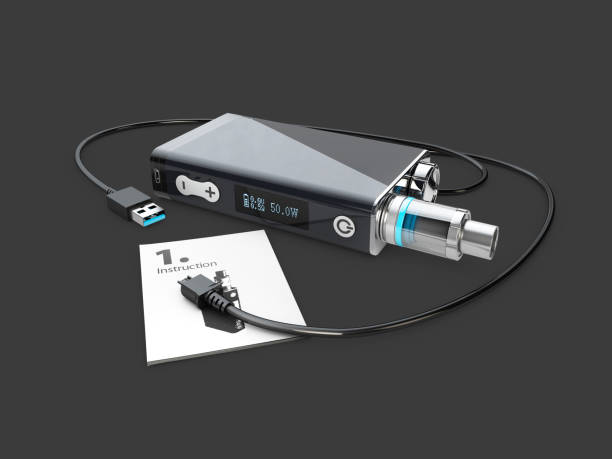
The electronic structure usually leads to a more reasonable weight distribution and grip feel. A flat body fits the palm better and is more convenient to put in a pocket or carry in a backpack. Compared to cylindrical devices that are prone to rolling, square or elliptical structures have greater stability.
At the functional level, the upgraded design provides more possibilities for optimizing the intake system, laying out the leak-proof structure, and the cooling system. The larger internal space can accommodate multiple sealing layers, effectively reducing the problem of oil leakage, and at the same time, improving the battery safety and stability of continuous output.
These details collectively pushed the disposable vape from a “simple consumable” to a “precise electronic device”.
Brand Competition Enters the Era of Design Differentiation
As the market size expands, the single-use vaping industry has rapidly entered a highly homogeneous stage.
The vaping parameters can be easily replicated, and the flavor formulas can be quickly imitated. Simply relying on performance or flavor is no longer sufficient to establish a long-term brand advantage. In this context, the appearance design and overall product style have become one of the most important means of differentiation.
More and more brands are beginning to build their own design language systems, including:
uniform body contour styles, distinctive lighting effects designs, series-based appearance evolution, and highly recognizable visual elements.
This trend has enabled single-use vapes to gradually shake off their image as cheap disposable products and move closer to being more brand-valued and premium electronic products.
Global Regulatory Upgrades Are Forcing Product Modernization
Apart from market factors, changes in the regulatory environment are also a significant driver for design upgrades.
In recent years, several major global markets have continuously strengthened the compliance standards for e-cigarette products. Disposable vapes are no longer allowed to adopt the earlier simple assembly structure. Regulatory requirements have gradually covered multiple core technical aspects, including:
- A leak-proof sealing system to ensure that the e-liquid does not leak during transportation and use;
- Child locks and accidental touch protection mechanisms to reduce the risk of minors using them;
- Battery safety standards, such as overcharge protection, short-circuit prevention, and thermal stability tests;
- Stability and consistency requirements for the atomizer to avoid power fluctuations causing clogging of the core or the generation of harmful substances.
These strict compliance thresholds have directly eliminated the early low-cost and rough disposable products.
At the same time, many countries have clearly restricted the appearance of e-cigarettes from being highly similar to traditional cigarettes to avoid misleading consumers. This policy further promotes the industry’s transformation towards “electronic device appearance”.
From a compliance perspective, electronic productization has become a necessary condition for the survival and entry into the mainstream market of disposable e-cigarettes.
Conclusion
Disposable electronic cigarettes are increasingly resembling traditional electronic products. They are not just a short-term trend but an inevitable stage in the development of the industry.
Under the combined influence of various forces, disposable electronic cigarettes have evolved from simple substitutes in the early stage to electronic devices with complex technical systems and mature industrial designs.